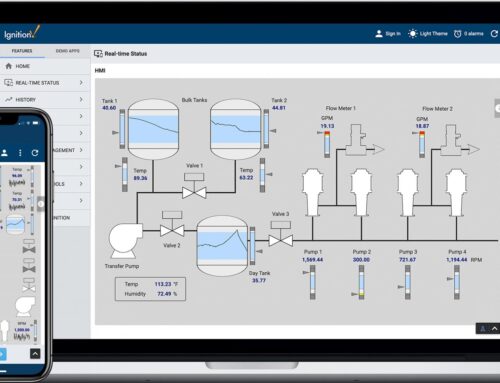
In the labyrinthine corridors of modern manufacturing, where the hum of machinery intertwines with the digital pulse of innovation, a silent revolution is underway. Imagine a world where every cog and conveyor, every weld and widget, communicates in a symphony of data—each note meticulously captured in real time. This is not the stuff of science fiction but the burgeoning reality of today’s production floors. As industries grapple with the relentless pursuit of efficiency and excellence, the role of real-time data collection emerges as a linchpin, transforming raw potential into polished performance. In this article, we delve into the profound impact of this technological marvel, exploring how it reshapes production efficiency, one data point at a time. Join us on this journey through the digital veins of modern manufacturing, where information flows ceaselessly, illuminating paths to unprecedented productivity and precision.
Unlocking Hidden Potential: How Real-Time Data Transforms Production Lines
Imagine a production line where every machine and process operates in perfect harmony, like a well-orchestrated symphony. This vision becomes a reality with the introduction of real-time data collection. By continuously monitoring and analyzing data from various stages of the production process, manufacturers can gain unprecedented insights into their operations. These insights not only help in identifying bottlenecks and inefficiencies but also enable proactive maintenance, reducing downtime and enhancing the overall productivity of the production line.
Real-time data collection offers a multitude of benefits, including:
-
- Increased Visibility: Gain a comprehensive view of the entire production process, allowing for quicker identification of issues and more informed decision-making.
-
- Enhanced Quality Control: Monitor quality metrics in real-time, ensuring that any deviations are promptly addressed, leading to higher-quality products.
-
- Optimized Resource Utilization: Efficiently allocate resources such as labor, materials, and machinery, minimizing waste and maximizing output.
-
- Predictive Maintenance: Use data-driven insights to predict equipment failures before they occur, reducing unplanned downtime and maintenance costs.
By leveraging the power of real-time data, manufacturers can not only boost their efficiency but also stay ahead in an increasingly competitive market.
From Insights to Action: Leveraging Data for Immediate Efficiency Gains
In the dynamic world of manufacturing, real-time data collection is revolutionizing the way we approach production efficiency. Imagine a factory floor where every machine, sensor, and worker is continuously feeding data into a central system. This constant stream of information allows for instantaneous analysis and decision-making, transforming insights directly into actionable strategies. Gone are the days of waiting for end-of-shift reports or manual data entry; instead, real-time analytics enable managers to identify bottlenecks, predict maintenance needs, and optimize resource allocation on the fly. The result? An agile production environment that can swiftly adapt to changing conditions, reducing downtime and boosting overall efficiency.
Key advantages of leveraging real-time data include:
-
- Predictive Maintenance: Anticipate equipment failures before they happen, minimizing unexpected downtime.
-
- Resource Optimization: Allocate labor and materials more effectively based on current production demands.
-
- Quality Control: Monitor product quality in real-time, ensuring consistency and reducing waste.
-
- Improved Decision Making: Make informed decisions quickly with up-to-date data, enhancing responsiveness.
By integrating these capabilities, manufacturers can not only streamline their operations but also gain a competitive edge in an increasingly data-driven industry.
Navigating Challenges: Integrating Real-Time Data Systems Seamlessly
In the ever-evolving landscape of industrial automation, the seamless integration of real-time data systems is pivotal for maintaining production efficiency. At Innorobix Automation, we understand that the transition to real-time data collection can be fraught with challenges, from ensuring data accuracy to maintaining system interoperability. However, the benefits of overcoming these obstacles are substantial. Real-time data enables manufacturers to make informed decisions instantly, reducing downtime and enhancing productivity. This instant access to data transforms reactive processes into proactive strategies, ensuring that potential issues are addressed before they escalate into significant problems.
Several key factors contribute to the successful integration of real-time data systems:
-
- Data Accuracy: Ensuring that the data collected is precise and reliable is fundamental. Inaccurate data can lead to flawed decision-making and operational inefficiencies.
-
- System Interoperability: Seamless communication between different systems and devices is crucial. Compatibility issues can hinder data flow and disrupt production processes.
-
- Scalability: The ability to scale the data system as the operation grows is vital. A scalable system ensures that increased data volumes do not compromise performance.
-
- Security: Protecting sensitive data from cyber threats is paramount. Robust security measures must be in place to safeguard the integrity of the data.
By focusing on these aspects, manufacturers can ensure that their real-time data systems not only integrate smoothly but also deliver significant improvements in production efficiency.
Best Practices for Maximizing the Benefits of Real-Time Data Collection
To truly harness the power of real-time data collection, it is essential to implement some key practices that can amplify its benefits. Start by ensuring data accuracy and integrity. This involves regular calibration of sensors and validation of the data being collected. Inaccurate data can lead to misguided decisions, which can be detrimental to production efficiency. Additionally, prioritize data security to protect sensitive information from breaches. Employ advanced encryption methods and secure data transmission protocols to safeguard your data assets.
Another critical aspect is the integration of real-time data with existing systems. Seamlessly connect your data collection mechanisms with ERP, MES, and other relevant software to enable a holistic view of your operations. This integration ensures that data flows smoothly across platforms, facilitating informed decision-making. Moreover, empower your team by providing them with the necessary training and tools to interpret and act on real-time data. When employees are well-versed in data analytics, they can identify trends and anomalies faster, leading to swift corrective actions and optimized production processes.
Q&A
Q: What is real-time data collection, and why is it important in a production environment?
A: Real-time data collection refers to the continuous and instantaneous gathering of data as events occur in a production environment. This is crucial because it allows for immediate insights into the performance of machinery, workflow processes, and overall production efficiency. By capturing data in real time, companies can quickly identify and address any issues, optimize operations, and reduce downtime, ultimately enhancing productivity and profitability.
Q: How does real-time data collection improve production efficiency?
A: Real-time data collection improves production efficiency by providing up-to-the-minute information that helps in making informed decisions. For instance, if a machine starts to malfunction, real-time data can alert operators immediately, allowing for quick intervention before a minor issue escalates into a major breakdown. Additionally, it enables predictive maintenance, where data trends predict potential failures before they happen, reducing unexpected downtimes. Real-time data also helps in optimizing resource allocation and streamlining workflows, ensuring that every part of the production process is operating at its best.
Q: Can you give some examples of technologies used for real-time data collection in production?
A: Certainly! Some common technologies used for real-time data collection in production include:
- Internet of Things (IoT) Sensors: These sensors are embedded in machinery and equipment to monitor various parameters such as temperature, pressure, and vibration.
- Supervisory Control and Data Acquisition (SCADA) Systems: These systems are used to control industrial processes locally or at remote locations and gather real-time data.
- Manufacturing Execution Systems (MES): MES software tracks and documents the transformation of raw materials to finished goods, providing real-time data on production operations.
- Cloud Computing: Cloud platforms store and analyze vast amounts of data in real time, making it accessible from anywhere and enabling advanced analytics and machine learning applications.
Q: What challenges might companies face when implementing real-time data collection systems?
A: Implementing real-time data collection systems can present several challenges, including:
- High Initial Costs: The setup of IoT sensors, SCADA systems, and other related technologies can be expensive.
- Data Overload: Managing and analyzing the vast amounts of data generated can be overwhelming without the right tools and expertise.
- Integration Issues: Integrating new data collection systems with existing infrastructure and legacy systems can be complex and time-consuming.
- Cybersecurity Risks: Real-time data systems are often connected to networks, making them susceptible to cyberattacks. Ensuring robust cybersecurity measures is essential.
Q: How can companies overcome these challenges and successfully implement real-time data collection?
A: Companies can overcome these challenges through several strategies:
- Starting Small: Begin with a pilot project to understand the benefits and challenges before scaling up.
- Investing in Training: Equip employees with the necessary skills to manage and analyze real-time data effectively.
- Leveraging Advanced Analytics: Use data analytics and machine learning tools to handle data overload and extract meaningful insights.
- Ensuring Robust Cybersecurity: Implement strong cybersecurity measures, including encryption, firewalls, and regular security audits, to protect data integrity and confidentiality.
- Collaborating with Experts: Partner with technology providers and consultants who specialize in real-time data collection and industrial automation to ensure a smooth transition.
Q: What future trends can we expect in real-time data collection for production efficiency?
A: Looking ahead, we can expect several exciting trends in real-time data collection for production efficiency:
- Increased Use of Artificial Intelligence (AI): AI will play a significant role in predictive maintenance, quality control, and optimizing production processes.
- Enhanced Connectivity with 5G: The rollout of 5G networks will provide faster and more reliable data transmission, enhancing real-time data collection capabilities.
- Edge Computing: Processing data closer to the source (at the edge) will reduce latency and improve response times.
- Sustainability Focus: Real-time data collection will help companies monitor and reduce their environmental impact by optimizing energy usage and minimizing waste.
By staying ahead of these trends, companies can continue to enhance their production efficiency and maintain a competitive edge in the market.
Closing Remarks
As we navigate the ever-evolving landscape of industrial advancements, the significance of real-time data collection in enhancing production efficiency becomes increasingly undeniable. This transformative approach not only streamlines operations but also paves the way for innovative solutions that drive growth and competitiveness.
At Innorobix Automation, we are committed to harnessing the power of real-time data to revolutionize your production processes. Our expertise in cutting-edge automation technologies ensures that you stay ahead in this dynamic industry. Ready to explore how real-time data can elevate your operational efficiency? Reach out to us today, and let’s embark on this journey of innovation together.
Stay tuned, stay efficient, and let’s shape the future of production with precision and insight.
Innorobix Automation: Where data meets efficiency.