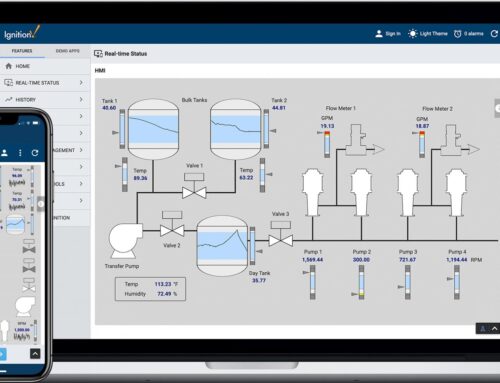
Batch processing is a cornerstone of many manufacturing industries, offering a methodical approach to producing goods by treating or processing raw materials or products in groups. With the evolution of industrial automation, leveraging advanced tools such as Ignition by Inductive Automation and programmable logic controllers (PLCs) is revolutionizing how manufacturers approach batch process automation. In this article, we delve into the strategic value of using Ignition’s SCADA platform enhanced by PLC scripting to streamline batch operations, improve efficiency, and ensure quality consistency.
In the realm of batch process automation, Ignition acts as a pivotal control system that integrates data acquisition, visualization, and control capabilities, creating a seamless and efficient ecosystem for batch operations. Here are some key benefits and features:
- Extensive Data Integration: Ignition interfaces seamlessly with a variety of data sources, collating real-time data from connected systems into a unified dashboard that empowers operators to monitor and control batch processes more intuitively.
- Scalable Architecture: The modular and scalable design of Ignition allows manufacturers to start small and expand their system as needed, ensuring adaptability to changing production requirements without meaningful reinvestment.
- user-Friendly Interface: The platform’s user-centric design simplifies the typically complex interactions of batch processes, while PLC scripting further enhances versatility and control granularity.
A real-world example illustrating the efficiency boost through Ignition’s use was seen in a chemical manufacturing plant were batch cycle times were reduced by 20%.This was achieved through advanced PLC scripting which enabled precise sequence control and error handling,minimizing downtime and ensuring consistent product quality.
Stay tuned as we uncover the core elements of implementing batch process automation with Ignition and PLC scripting, explore potential pitfalls in deployment, and provide actionable insights drawn from decades of expertise. With expert guidance, you can transform your batch processing operations, achieving both efficiency and excellence, thereby reinforcing your competitive edge in the marketplace.
Understanding the Role of Ignition in modern Batch Process Automation
In the ever-evolving landscape of modern batch process automation, ignition by Inductive Automation emerges as a robust and flexible SCADA platform that acts as the nerve center for managing intricate operations. Its ability to seamlessly integrate with programmable logic controllers (PLCs) makes it ideal for industries ranging from pharmaceuticals to food and beverage. ignition’s real-time data handling capabilities ensure that all aspects of the production process—from raw material input to product output—are monitored and controlled with precision.For instance, a pharmaceutical manufacturer can leverage ignition to track the mixing stages of a chemical batch, ensuring that the reactants are combined under optimal conditions. By maintaining constant oversight and allowing for instant adjustments,manufacturers can considerably reduce the risk of hazardous reactions and enhance product quality.
More than just monitoring, Ignition offers powerful tools for scripting, enabling the execution of complex logical instructions directly from the platform. Through Ignition’s scripting capabilities—with languages such as Python—users can automate batch sequences without extensive reprogramming of PLCs,which is especially valuable in settings where production lines are frequently reconfigured. For example, a food processing plant might use ignition scripts to automate the transition between recipes on a single line, reducing downtime and operational costs. Key benefits of using Ignition in batch process automation include:
- Scalability: Adapt the system as operational needs change without being tied to expensive new hardware.
- Interoperability: Easily connect with a wide range of PLCs, databases, and MES systems.
- Customizable alerts and notifications: Essential for maintaining compliance and ensuring consistent product quality.
Leveraging PLC Scripting for Enhanced Control and Flexibility
PLC scripting, when integrated with Ignition, can significantly enhance the control and flexibility of batch processing systems. By leveraging the Ignition platform’s scripting capabilities, manufacturers can create custom scripts that refine and optimize PLC operations beyond standard configurations. This integration allows tasks such as batch recipe management, sequential control processes, and error handling protocols to be tailored with precision. For instance, if a food and beverage processing plant needs to modify recipe parameters in real-time to accommodate ingredient variations, PLC scripts can adjust processes such as mix times and temperature setpoints dynamically. This agility ensures adherence to quality standards without interrupting production cycles.
Key advantages of using PLC scripting in Ignition include:
- Improved Customization: Create bespoke control sequences that react to real-time data with precision.
- Enhanced Decision-Making: Analyze process metrics quickly, allowing for immediate adjustments to batch parameters.
- Reduced Downtime: Automated error handling scripts can manage anomalies, reducing the need for manual intervention.
- Scalability: Update and expand processes effortlessly as production demands grow.
Integrating PLC scripting with Ignition not only maximizes the control of batch processes but also enhances the overall responsiveness and efficiency of manufacturing operations. at Innorobix, our experience with Ignition lets us unlock these capabilities, transforming traditional manufacturing processes into robust, future-proof systems.
Strategic Integration of ignition and PLCs: Best Practices and Common Pitfalls
Integrating Ignition with plcs demands a strategic approach to harness the full potential of both platforms effectively. One best practice is ensuring tag standardization and management across your plcs and Ignition projects. Tags in PLCs represent physical variables and states, such as temperatures or motor statuses, and standardizing these tags when they mirror to Ignition can streamline data processing and analytics. A practical example involves a manufacturing plant that integrated Ignition Software with their PLCs to manage a complex batch processing system.By creating a uniform tag-naming convention and structure, the plant significantly reduced the time required for system modifications and troubleshooting.
Another critical best practice is the implementation of robust exception handling in PLC scripting. When errors occur in batch processes, Ignition’s ability to log and report specific trigger events from PLCs becomes invaluable. However, common pitfalls include overly complex scripts that are tough to maintain or troubleshoot. For instance, Innorobix once engaged with a client whose plant experienced frequent downtimes due to unoptimized loop controls in PLC scripting. By refining their scripting sagacity to trigger alarms and notifications in Ignition only on truly anomalous conditions, the plant minimized false alerts and improved system uptime. ensure:
- Efficient Tag Management: Avoid redundancy and ensure concise, consistent naming conventions.
- Error Handling in Scripts: Build scripts for clarity and maintainability to quickly address process deviations.
These practices not only optimize performance but also bolster reliability, ultimately enhancing the entire batch processing system’s efficiency.
Real-World Success Stories: Transforming Batch Processes with Ignition
In the competitive world of batch processing, optimizing efficiency and minimizing errors are pivotal. Ignition has proven itself as a game-changer in diverse industries, from pharmaceuticals to food processing. Consider a pharmaceutical firm that faced challenges with legacy systems that led to increased downtime and compliance errors. By integrating Ignition with their programmable Logic Controllers (PLCs), they achieved real-time monitoring and control. The streamlined process allowed operators to manage multiple batches together,ensuring precise adherence to recipes and regulatory standards. The result was a dramatic reduction in production delays and compliance deviations.
Another compelling example is in the food and beverage sector where a major beverage manufacturer revolutionized their batch processing. Prior to Ignition, their system often led to inconsistent product quality due to manual error input and lack of data integration. Ignition’s modular architecture, coupled with PLC scripting, enabled seamless data flow and automated adjustments during the process. This implementation successfully synchronized the mixing, heating, and cooling phases, enhancing the consistency of final products.The business saw improved yield efficiency and a significant boost in customer satisfaction due to the consistent quality of their products.
Q&A
Q1: What are the key benefits of using Ignition and PLC scripting for batch process automation?
A1:
Using Ignition and PLC scripting for batch process automation offers several advantages, such as:
- Scalability: Ignition’s licensing model and architecture allow systems to grow without the typical cost escalations. This is crucial for expanding operations without rehauling the entire system.
- Flexibility: PLC scripting in conjunction with Ignition allows for the customization to meet unique process requirements.
- Interoperability: Seamless integration with a wide range of plcs and other devices,thanks to Ignition’s OPC UA support and extensive connectivity modules.
- Real-time Monitoring: provides real-time visibility into batch processes so that issues can be identified and addressed proactively.
- Cost-Efficiency: By consolidating batch processing and data management activities, manufacturers reduce overhead and streamline operations.
Q2: How can Ignition be specifically utilized for batch process automation?
A2:
Ignition can play a central role in batch process automation through:
- Batch Recipe Management: Create and manage recipes that detail the specific parameters and steps for each product.
- Ancient Tracking: Record and analyze historical data to improve batch quality and efficiency.
- Automated Alerts: Configure alarms and alerts to notify operators of deviations from standard procedures.
- Scripting and Logic: Utilize Ignition’s scripting capabilities to implement custom batch logic and control.
Example:
A food processing plant uses Ignition to automatically manage ingredient mixing cycles by interfacing with existing PLC systems, minimizing manual oversight and ensuring quality consistency across batches.
Q3: What are some common challenges and solutions in deploying batch process automation using Ignition and PLCs?
A3:
Common challenges include:
- Integration Complexity: Mismatch between PLC capabilities and batch requirements.
– Solution: Use Ignition to bridge disparate PLC systems with simple scripting-to-OPC UA integration.
- Data Accuracy and Quality: Ensuring data integrity across various touchpoints.
– Solution: Leverage Ignition’s robust historian to maintain accurate records and verify batch consistency.
- System Downtime: Risk of downtime during deployment.
– Solution: Conduct phased rollouts and employ Ignition’s test mode capabilities to validate new scripts without disrupting operations.
Q4: What expertise does Innorobix offer in deploying Ignition for batch process automation?
A4:
Innorobix provides:
- Decades of Experience: As certified Ignition experts, we bring decades of real-world experience in designing and deploying Ignition solutions.
- Custom Solutions: Tailor-fit strategies that align with specific manufacturing needs and goals.
- Comprehensive Support: From initial design through ongoing support, ensuring optimal performance and continuous enhancement.
- Real-world Insights: Invaluable insights gleaned from executing numerous projects successfully, minimizing risks for new implementations.
By engaging with Innorobix, manufacturers can achieve seamless integration and optimization of their batch processing systems through Ignition’s advanced capabilities.
Closing Remarks
the integration of batch process automation using Ignition and PLC scripting represents a transformative approach in optimizing manufacturing operations. By leveraging Ignition’s robust features and seamless connectivity with PLC systems, manufacturers can achieve enhanced control, efficiency, and scalability. Key takeaways from this exploration include:
- Seamless Integration: Ignition’s open architecture allows for flexible integration with existing PLC systems, facilitating a smooth transition to automated batch processing.
- Enhanced Scalability: The platform’s modular design ensures that systems can easily adapt to changing production demands without significant overhauls.
- Real-time Monitoring and Analytics: With Ignition, plant managers gain access to comprehensive data insights, enabling informed decision-making and proactive maintenance.
Consider, as an example, the prosperous deployment at a pharmaceutical facility, where employing Ignition reduced batch processing time by 15% and improved product quality consistency through precise script-driven control.
We invite you to explore how Innorobix can tailor these capabilities to meet your specific operational needs. As a certified ignition expert with decades of experience, Innorobix is poised to deliver cutting-edge solutions designed to propel your manufacturing processes forward. Contact us to request a consultation or schedule a demo,and discover how our expertise can empower your plant operations.