Introduction: Using AMRs for just-in-Time Delivery in Automotive Production
In the fast-paced and highly competitive automotive sector, the need for efficiency and precision in manufacturing processes is paramount.One of the most transformative technologies making waves in the industry is automated mobile robots (AMRs). Their ability to enhance just-in-time (JIT) delivery systems is proving essential for manufacturers aiming to minimize waste, reduce downtime, and optimize supply chain operations.
Understanding AMRs and Their Role in JIT
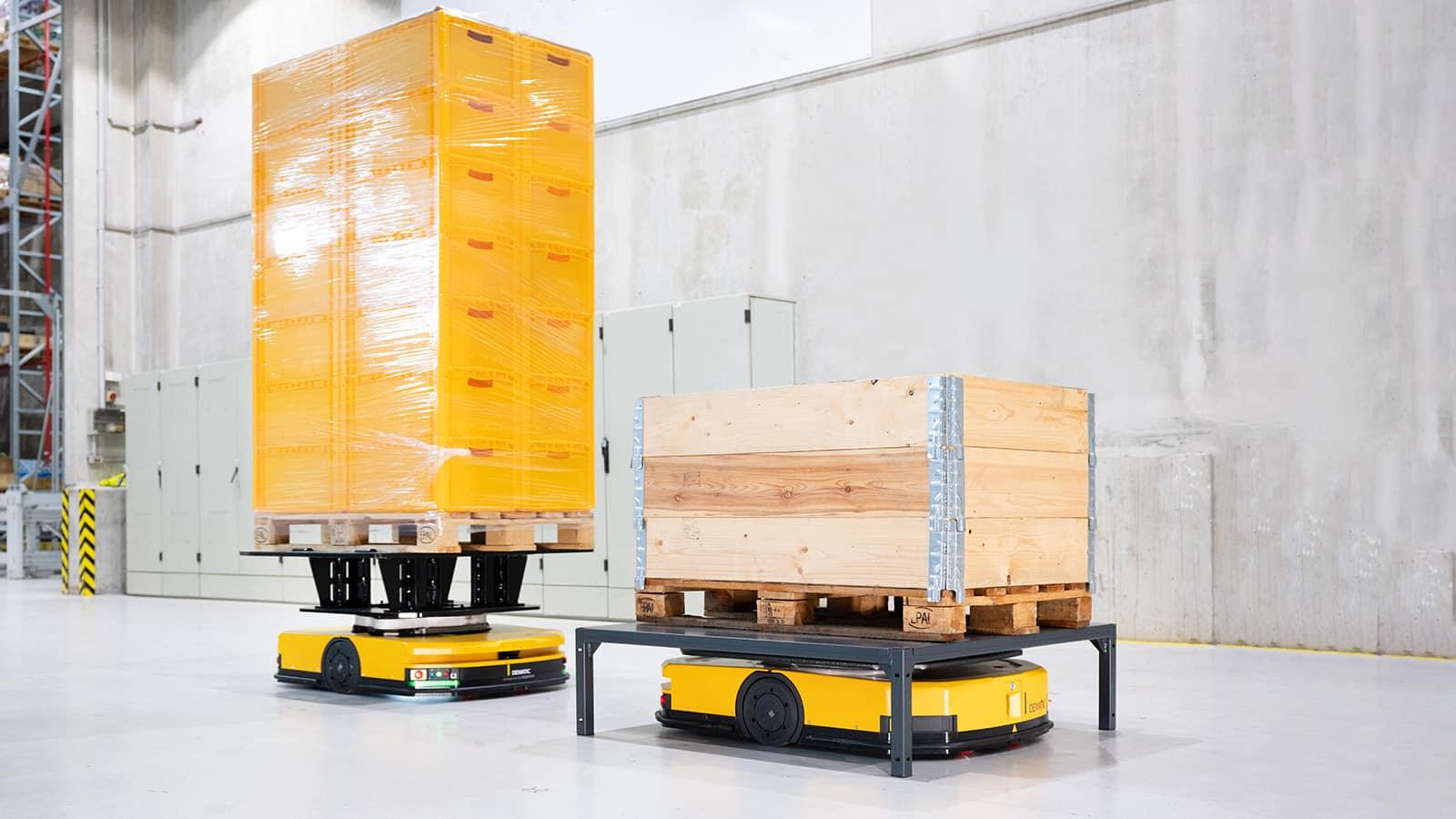
AMRs are clever machines capable of navigating complex industrial environments without the need for fixed infrastructure. Unlike traditional automated guided vehicles (AGVs), which require pre-set paths and external guidance systems such as magnetic strips or markers, AMRs utilize sophisticated sensors, cameras, and AI algorithms to interpret their surroundings and make dynamic routing decisions.
Key Features of AMRs in Automotive Production:
- Dynamic Pathfinding: Allows real-time adjustments to routes, avoiding obstacles and optimizing delivery times.
- Scalability: Easy integration into existing workflows without notable infrastructural changes.
- Versatile Payloads: Ability to transport diverse materials, from raw components to finished goods, aligning with varied demands of automotive assembly lines.
- Collaboration with Humans: Safe interaction in shared workspaces, enhancing collaboration between automated systems and human workers.
Benefits of JIT with AMRs
Incorporating AMRs into a JIT delivery framework allows automotive manufacturers to achieve significant operational efficiencies. Key advantages include:
- Reduced Inventory costs: With precision timing in part delivery, there’s less need for buffering stock on the assembly line, reducing warehousing expenses.
- Enhanced Versatility: Fast adaptability to production schedule changes, accommodating fluctuating demand or priority shifts.
- Improved Operational Efficiency: Continuous movement of parts ensures that assembly lines remain active, minimizing unexpected downtime.
Real-World Applications:
- Example 1: A major automotive firm implemented AMRs to synchronize component delivery with assembly line demands, achieving a 15% reduction in floor congestion and a 20% enhancement in part availability accuracy.
- Example 2: After integrating AMRs,a leading car manufacturer reported a 25% decrease in the time taken to fulfill sudden order changes,a crucial capability in a customer-driven market.
Leveraging the advantages of AMRs provides automotive companies with a competitive edge, ensuring production processes are not only efficient but also resilient to the changing demands of modern manufacturing environments.
This introduction lays the groundwork for exploring the detailed use of AMRs in enhancing just-in-time delivery, setting the stage for a deeper dive into the strategic and operational benefits that these technologies bring to the automotive sector.
Understanding AMR Technology: A Foundation for Lean Automotive Manufacturing
Autonomous Mobile Robots (AMRs) are revolutionizing lean manufacturing processes in the automotive sector. Equipped with advanced navigation systems, AMRs adaptively and autonomously move materials across the production floor, drastically enhancing the coordination needed for Just-in-Time (JIT) delivery. This results in a significant reduction in inventory and work-in-progress stock, ensuring that components and parts arrive precisely when required, without delay. As a notable example, Ford Motor Company utilized AMRs in its Michigan plant to optimize the delivery of components to assembly lines, ensuring a seamless choreography that synchronized with their high-speed production requirements. Such implementations cut down manual handling and transit time,thus reducing waste and waiting periods—core principles of lean methodology.
The incorporation of AMRs does not only streamline delivery but also enhances safety and interaction in automotive manufacturing environments. Real-time data transmission between AMRs and Manufacturing Execution Systems (MES) allows for seamless integration into existing workflows. Consider the example of BMW’s plant in Munich, where AMRs equipped with IoT sensors enable continuous data exchange regarding location, inventory status, and task completion. This real-time visibility minimizes disruptions, as AMRs can reroute and reprioritize tasks dynamically in response to unforeseen events or system changes. Key benefits include:
- Enhanced adaptability: AMRs can be easily reprogrammed and aligned with changing production demands.
- Increased safety: Equipped with obstacle-detection technologies, AMRs can safely navigate busy factory floors.
- Reduced operational costs: By minimizing downtime and optimizing logistics, AMRs contribute to significant cost savings.
Integrating AMRs for Seamless Just-in-Time Delivery: Strategies and Best Practices
Implementing Autonomous mobile Robots (AMRs) in automotive production lines necessitates a detailed understanding of the operational logistics to achieve effective Just-in-time (JIT) delivery. A crucial strategy is to integrate AMRs with the existing Warehouse Management Systems (WMS) and Enterprise Resource Planning (ERP) systems to streamline operations. This integration ensures that AMRs are dynamically rerouted based on real-time demand fluctuations, which is essential for maintaining optimal inventory levels. As an example, Ford’s collaboration with AMR manufacturers enabled synchronized replenishment tasks in their European plants, leading to a 20% increase in efficiency. Key best practices include:
- Real-time data sharing between AMRs and centralized control systems to handle unexpected changes in production schedules or supply chain disruptions.
- Dynamic path planning capabilities that allow amrs to avoid traffic congestion and swiftly adapt to on-the-fly changes in production sequences.
- Continuous learning algorithms for AMRs to optimize routes over time, minimizing travel time and energy consumption.
The implementation also benefits from standardizing communication protocols to ensure seamless interoperability between diverse robotic systems from different vendors. This standardization fosters a unified automation ecosystem that is critical for JIT operations. Toyota’s submission of AMRs in their North American facilities showcases this approach, with a network of AMRs communicating through a common protocol, effectively minimizing manual interventions. Its imperative to establish robust safety protocols and regular maintenance schedules to maximize uptime and safeguard both human and robotic workforce. By embracing these strategies, companies can significantly enhance their production agility and responsiveness, thereby achieving superior JIT delivery performance.
Overcoming Implementation Challenges: Lessons Learned from leading Automotive Brands
Automotive leaders like Ford and Toyota have paved the way in showcasing how integrating Automated Mobile Robots (AMRs) can lead to unprecedented Just-in-Time (JIT) delivery efficiency. Ford, for instance, faced initial hurdles with their AMR deployment, such as navigating complex factory layouts and integrating with existing Warehouse Management Systems (WMS). Through persistent iterations and collaborations, they implemented adaptable pathfinding algorithms and upgraded their WMS interfaces. This allowed AMRs to effectively communicate in real-time, optimizing their routes and decreasing delivery cycle times.
Lessons learned from these implementations include the necessity of a phased approach when integrating AMRs into the production line. Here are key takeaways observed from leading automotive manufacturers:
- Integration Compatibility: Ensuring AMRs can seamlessly connect with existing MES systems is crucial. This enables real-time data exchange for enhanced operational visibility.
- Employee Training: Continuous training sessions for the workforce help in mitigating resistance and maximizing the utility of AMRs.
- Scalability Mindset: Start small but design for scale; observe pilot results and incrementally expand the fleet of AMRs based on performance metrics.
- Safety Protocols: Incorporate advanced safety measures to ensure safe interaction between AMRs and human workers. Toyota employs sophisticated sensor technologies for this purpose.
Maximizing Efficiency with amrs: Measuring Success and Continuous Improvement
In the quest for maximizing efficiency with AMRs (Autonomous Mobile Robots) within automotive production, it is essential to focus on performance metrics and adopt a mindset geared towards continuous improvement. A prime example can be found in Toyota’s application of AMRs for just-in-time delivery, effectively minimizing inventory hold time and reducing production costs. Toyota utilizes real-time data provided by AMRs to monitor delivery speed, accuracy, and downtime. These metrics are crucial in pinpointing areas that require optimization. By implementing a feedback loop that involves stakeholders from engineering to operations, Toyota ensures adjustments are data-driven and aligned with their lean manufacturing principles.
Continuous improvement in AMR deployment is often driven by embracing a number of best practices:
- Regular Data Analysis: Analyze performance data to identify trends and anomalies. This helps in understanding the factors affecting delivery efficiency.
- Cross-Functional Teams: Encourage collaboration between robotics engineers and logistics teams to brainstorm innovative solutions for AMR utilization.
- scalability: Prepare for scalability by standardizing protocols and technologies, making it easy to integrate new units without extensive modifications.
- User training: Provide comprehensive training for staff, ensuring seamless operation and quick troubleshooting of AMR systems.
By fostering a culture that prioritizes measurement and iterative improvement, automotive manufacturers can leverage AMRs not just for immediate efficiency gains, but as a pillar of their long-term strategic advancement.
Final Thoughts
the integration of Autonomous Mobile Robots (AMRs) into automotive production ecosystems offers a transformative approach to achieving just-in-Time (JIT) delivery precision. Key takeaways include:
- Efficiency Enhancement: AMRs streamline workflows by autonomously managing material movement, thereby minimizing delays and human errors.
- Flexibility and Scalability: Unlike traditional conveyor systems, AMRs can be easily redeployed or scaled according to changing production demands.
- Cost Reduction: By optimizing the logistics of materials handling, AMRs significantly decrease operational costs and resource allocation.
- Improved Safety: Equipped with advanced sensors, AMRs navigate seamlessly around factory floors, enhancing worker safety and reducing accident risks.
For automotive manufacturers aiming to maintain a competitive edge, embracing AMR technology is a strategic move towards operational excellence. Innorobix offers cutting-edge solutions tailored to meet the unique needs of your production line. We invite you to explore our innovative AMR offerings or request a consultation/demo to witness firsthand how our technology can revolutionize your JIT delivery processes. Reach out to discover tailored solutions that facilitate seamless integration into your existing systems.