Introduction to Integrating Ignition SCADA with ERP Systems in Automotive
In the fast-evolving automotive industry, achieving seamless data flow between operational technology (OT) and information technology (IT) systems is imperative for maximizing efficiency and maintaining competitive advantage. Integrating Ignition SCADA with Enterprise Resource Planning (ERP) systems is a strategic approach to bridge this gap, enabling real-time data synchronization, enhanced decision-making, and streamlined operations. This article delves into the technical intricacies of this integration, offering insights and practical examples of implementation.
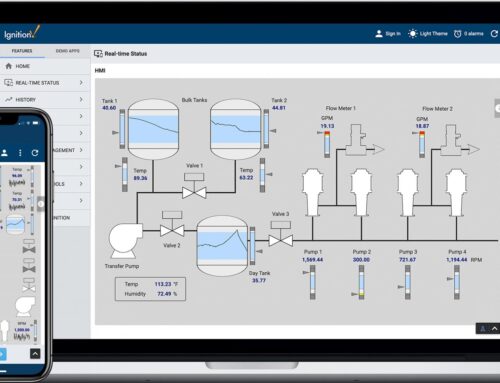
Ignition SCADA,known for its flexibility and scalability,is a powerful platform for real-time monitoring,control,and analysis of manufacturing processes. Coupled with an ERP system, which serves as the backbone for managing business processes such as inventory, orders, and production schedules, the fusion creates a harmonized surroundings for thorough data visibility and operational control.
Key Benefits of Integration:
- Real-Time Data Exchange: Facilitate instant data transfer between the shop floor and enterprise systems, enabling timely insights and responses.
- Improved Resource Management: Optimize scheduling and resource allocation with accurate, live data providing a foundation for decisions.
- Enhanced Traceability: Achieve full product and material traceability,from initial orders to finished goods,crucial for compliance and quality assurance.
- Reduced Downtime: Proactive maintenance and quicker issue resolution by leveraging integrated data analytics to foresee potential disruptions.
Case Examples in the Automotive Sector:
- Ford Motor Company: By integrating Ignition SCADA with thier ERP system, Ford achieved a unified platform for real-time production tracking and inventory management, significantly reducing waste and improving forecasting accuracy.
- toyota Manufacturing: Enhanced lean manufacturing processes by harmonizing shop floor data with ERP analytics, resulting in improved cycle times and inventory turnover ratios.
- General Motors: Implemented a comprehensive track-and-trace system utilizing seamless integration between SCADA and ERP, ensuring compliance with stringent automotive regulations and improving product recalls and warranty management efficiency.
This article will guide you through the technical processes involved in integrating Ignition SCADA with ERP systems, focusing on overcoming common challenges, leveraging existing infrastructure, and harnessing the full potential of these technologies to propel your automotive operations forward.
Implementing Seamless Data Connectivity between Ignition SCADA and ERP Systems in Automotive
In contemporary automotive manufacturing, achieving seamless data connectivity between Ignition SCADA systems and ERP platforms is pivotal for optimizing operational performance and strategic decision-making. This integration enables a free flow of real-time data, enhancing visibility across the production lifecycle. For example, by connecting Ignition SCADA with ERP systems such as SAP or Oracle, manufacturers can automate inventory updates, ensuring that parts and materials are replenished just in time, minimizing stockouts and overstock scenarios. Key to this integration is utilizing Ignition’s comprehensive set of productivity tools, such as Gateway Scripting, which allows for custom scripts to be executed at scheduled intervals, or in response to specific events within the MES or ERP ecosystem. Additionally, leveraging MQTT Protocols and RESTful APIs ensures data is transmitted efficiently and securely between the plant floor and back-office systems.
By implementing this integrated framework, automotive manufacturers experience notable reductions in downtime and improved productivity. Take, for instance, Toyota’s deployment of an Ignition SCADA-ERP integration model which standardized data communication across global manufacturing sites, thereby eliminating redundant data entry and the risk of manual errors. The benefits of such integration manifest through enhanced traceability, allowing real-time tracking of components and processes, which is crucial during recalls or quality assessments. Furthermore, the synergy created by standardizing data formats and leveraging Ignition’s Tag Historian for data logging facilitates easier compliance with industry standards and government regulations. This elevates the plant’s Overall Equipment Effectiveness (OEE), ensuring operational excellence and a significant competitive advantage in the fast-paced automotive sector.
Optimizing Production Logistics through SCADA and ERP Integration with Real-world Examples
Integrating Ignition SCADA systems with ERP solutions optimizes production logistics by creating a seamless flow of data between the factory floor and business operations. This integration facilitates real-time decision-making and enhances operational efficiency by bridging the gap between production data and enterprise-level analytics. Ignition’s versatility allows for the integration of multiple data sources, creating a centralized hub for production insights. For example, consider a leading automotive manufacturer that deployed Ignition SCADA integrated with an ERP system to streamline inventory management. By automatically adjusting procurement schedules based on real-time production data, they achieved a synchronized supply chain operation, drastically reducing material shortages and overstock scenarios.
In another real-world scenario, a global automotive parts supplier combined ignition with their ERP to improve order fulfillment and reduce lead times. Key improvements realized through this integration included:
- Enhanced Visibility: Real-time production data from Ignition triggered ERP alerts for replenishment,optimizing inventory control and reducing downtime.
- Error Reduction: Automated order processing via Ignition workflows minimized human error and improved accuracy in shipping schedules.
- Custom Reporting: The integration allowed for the creation of custom reports that combined SCADA-driven production KPIs with ERP financial analytics, providing comprehensive oversight and enhancing strategic planning capabilities.
Establishing Standard Protocols and data Models for Reliable System Interoperability
In the competitive world of automotive manufacturing, achieving seamless integration between ignition SCADA and ERP systems necessitates the establishment of standard protocols and data models for reliable system interoperability. Adopting open standards such as OPC UA (Open Platform Communications Unified Architecture) is crucial. OPC UA is both platform-self-reliant and vendor-neutral, which facilitates communication between various plcs and ERP systems without the need for extensive custom coding. This is particularly beneficial in automotive plants with diverse equipment brought in from multiple vendors over the years.For instance, imagine a car assembly line where Siemens and Allen-Bradley PLCs operate side-by-side. By leveraging OPC UA, data from these different PLCs can flow into a unified data model, allowing the ERP system to efficiently analyze and optimize production schedules, raw material procurement, and workflow management.
With standardized data models, you can create a single source of truth for critical manufacturing data, which enhances process coordination and reduces errors. Having a common data structure means that information such as production rates, downtime occurrences, and quality metrics is consistently formatted and readily accessible across all systems. This is exemplified by a leading global automotive OEM that implemented a unified data model to synchronize real-time data from Ignition SCADA with its ERP logistics module, successfully reducing inventory management time by 15%. This approach not only streamlines cross-departmental collaboration but also facilitates predictive maintenance strategies by providing analytics tools with consistent data, enabling the early detection of potential equipment issues. By standardizing communication protocols and data structures, automotive manufacturers can effectively reduce inefficiencies and improve decision-making capabilities throughout their operations.
Enhancing Workflow automation and Decision-Making with Integrated Ignition SCADA and ERP Solutions
Integrating Ignition SCADA with ERP systems in the automotive sector can significantly enhance workflow automation and decision-making. By bridging the gap between operational technology and business processes,manufacturers can achieve real-time visibility of their operations. Ignition SCADA provides unparalleled flexibility with its open architecture and seamless connectivity, allowing ERP systems to access critical data directly from the factory floor. This integration helps minimize manual data entry, reducing errors and improving data accuracy.Such as, tracking part defects in real-time and correlating these with supplier information allows rapid supplier quality checks, thereby directly impacting product quality without delays.
By implementing an integrated Ignition SCADA and ERP system, automotive manufacturers can create a collaborative environment where information silos are eliminated. Typical benefits include:
- Automated Workflows: Trigger production orders automatically when inventory levels fall below the threshold.
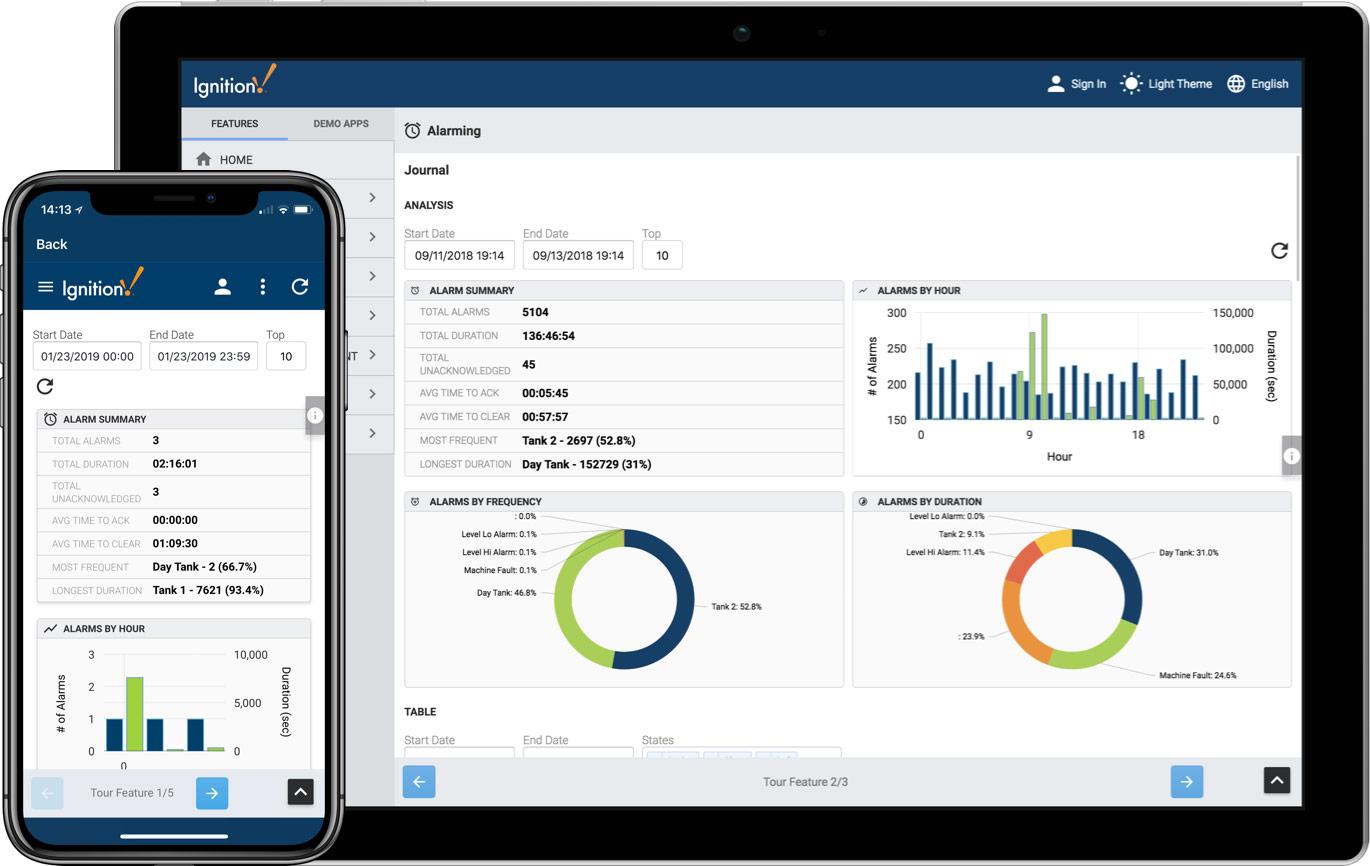
- Enhanced Decision-Making: Employ visual analytics from both SCADA and ERP data to make immediate and informed business decisions.
- Predictive Maintenance: Leverage ancient data from both systems to predict equipment failures before they occur.
An example of prosperous integration can be seen in a Tier 1 automotive parts supplier who connected their Ignition SCADA system with their ERP. This resulted in an 85% reduction in order processing time and a 50% decrease in lost time due to machine downtimes thanks to adaptive production scheduling and real-time machine monitoring capabilities.
In Summary
integrating Ignition SCADA with ERP systems in the automotive sector offers numerous advantages that are crucial for staying competitive in today’s fast-paced industry. By bridging the gap between shop-floor automation and enterprise-level decision-making, automotive manufacturers can achieve enhanced operational efficiency, real-time data visibility, and improved production accuracy. Key takeaways from this integration include:
- Seamless Data Flow: Ensure smooth and reliable data exchange between plant floor systems and ERP, facilitating real-time insights and fast response to changes.
- Operational Efficiency: Streamline production processes by automating workflows and reducing manual intervention, improving overall productivity.
- Enhanced Traceability: Enable comprehensive tracking of production parameters and inventory, crucial for compliance and quality assurance.
- customized Dashboards and Reporting: Leverage Ignition’s robust interface to create tailored dashboards that present relevant KPIs, driving informed decision-making across all organizational levels.
Innorobix stands ready to guide automotive manufacturers through the intricacies of this transformative integration. Whether you’re ready to take the first step or need further insights, we invite you to explore our tailored solutions designed to meet the unique demands of the automotive industry. contact us today to request a consultation or schedule a demo, and discover how we can definitely help you unlock the full potential of your SCADA and ERP systems.