Introduction: Eliminating Downtime in Automotive Plants with real-Time SCADA Alerts
In the fiercely competitive automotive industry, downtime in manufacturing plants can have catastrophic effects on production schedules, costs, and customer satisfaction. Ensuring continuous operations and minimizing interruptions are critical for maintaining output and meeting market demands. This is where real-time SCADA (Supervisory Control and data Acquisition) alerts come into play, offering an unparalleled solution to monitor, diagnose, and rectify issues before they escalate into major problems.
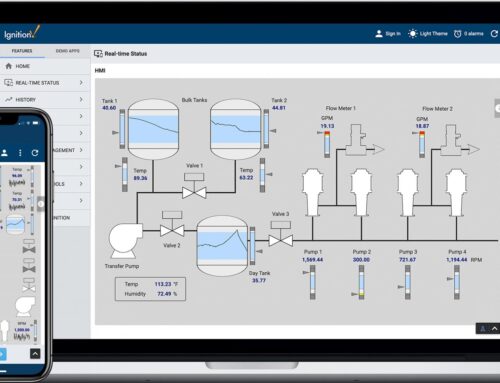
This article delves into how integrating real-time SCADA alerts can significantly curtail downtime in automotive plants by providing timely data-driven insights. Through the use of advanced SCADA systems like Ignition and MES (Manufacturing Execution Systems), automotive manufacturers are empowered with the tools to not only react swiftly to issues but to proactively prevent them. Below,we explore the significant advantages of deploying these systems with tangible,real-world automotive examples:
- Enhanced Visibility: Continuously monitor real-time data across operational parameters,enabling maintenance teams to anticipate and address potential disruptions.
- Predictive Maintenance: Utilize data analytics to predict equipment failures, allowing for preemptive action that minimizes downtime and extends machinery life cycles.
- Rapid Response: Trigger instant alerts to relevant personnel, ensuring prompt intervention and reducing the time from incident detection to resolution.
- Case Study Highlight:
– An innovative automotive manufacturer deployed Ignition to integrate its SCADA framework company-wide. This transition resulted in a 30% reduction in unplanned downtime, illustrating the powerful impact of real-time alerts on operational efficiency and cost savings.
Through this structured approach, automotive plants not only reinforce their resilience against unexpected disruptions but also enhance overall productivity and profitability. Read on to explore the mechanisms and benefits of implementing SCADA alerts within your automotive operations.
Identifying Common Causes of Downtime in Automotive Manufacturing with Real-Time SCADA Alert Systems
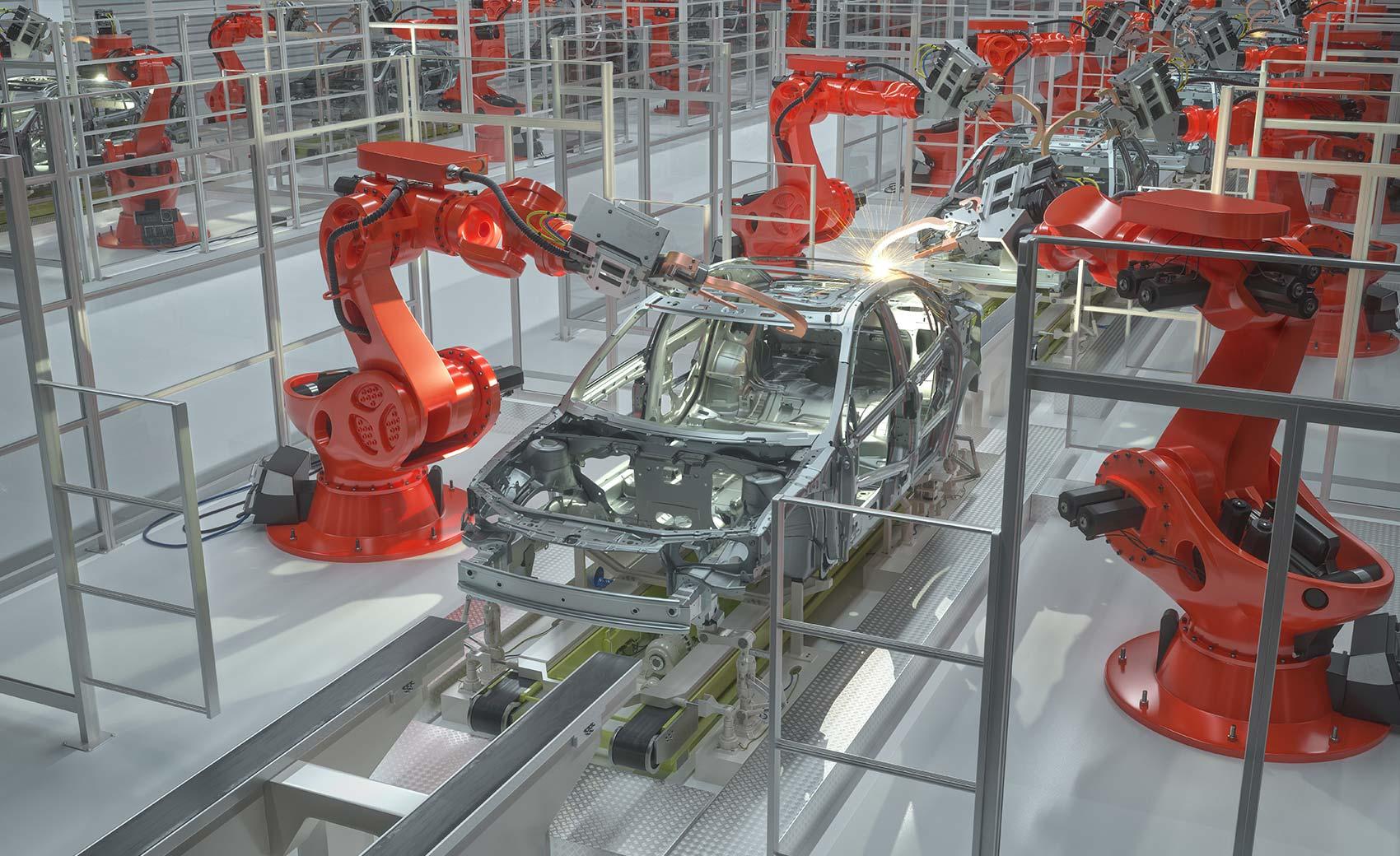
In the fast-paced surroundings of automotive manufacturing, minimizing downtime is crucial for maintaining efficiency and delivering on production deadlines. Real-time SCADA alert systems play a pivotal role in this process by giving plant operators the ability to quickly identify and address common causes of downtime. Regular culprits of downtime include machine malfunctions,inadequate maintenance schedules,and human error. As an example,consider the body welding lines prone to mechanical failures; real-time SCADA alerts can flag abnormal vibrations or temperature spikes that may indicate impending issues. by integrating sensors and bright analytics, operators can receive immediate notifications, allowing for prompt intervention before a minor issue escalates into significant downtime.
The ability to pinpoint these issues not only enhances machine uptime but also streamlines maintenance operations. Real-time alerts provide operators and technicians with detailed insights, such as possible root causes and suggested corrective measures. It’s akin to deploying preventive measures before problems manifest extensively. For example, at an automotive assembly plant, integrating SCADA with an MES system enabled the production team to monitor and improve the efficiency of robotic paint booths. Through consistent data logging via SCADA,they identified trends such as paint viscosity deviations causing excessive coats — an issue resolved by timely personnel intervention triggered by system alerts. By addressing these factors with precision, automotive manufacturers can reinforce machinery reliability and optimize overall equipment effectiveness (OEE) across the plant.
Leveraging Ignitions SCADA Architecture for Proactive Machine Health Monitoring and Rapid Response
The integration of Ignition’s SCADA architecture into automotive plants has revolutionized the approach to machine health monitoring, allowing facilities to transition from reactive to proactive maintenance strategies. With real-time alerts, operational teams can quickly identify deviations from optimal performance metrics.As a notable example, consider a situation where a robotic arm in an assembly line begins consuming more power than usual. Ignition’s SCADA system can be configured to promptly notify technicians via SMS or email, indicating potential motor wear or misalignment.This early detection avoids unscheduled downtimes, reduces maintenance costs, and extends equipment life. By utilizing data trends from sensors and setting thresholds for alert generation, Ignition empowers automotive plants to maintain operational continuity effectively.
Companies like Toyota have leveraged Ignition’s capabilities to enhance their process reliability significantly. By correlating real-time data with ancient machine performance, predictive analytics can be applied to anticipate potential failures before they occur.For example, if a conveyor belt’s vibration pattern deviates from historical norms, maintenance crews are alerted to investigate potential bearing issues. Here are key benefits realized:
- Increased visibility into equipment health: Enables operators to pinpoint issues swiftly.
- reduction in maintenance costs: By addressing problems before they escalate.
- Improved Overall Equipment Effectiveness (OEE): Minimizing unexpected downtimes assures steady production flow.
By integrating these systems into a cohesive MES strategy,automotive manufacturers can guarantee optimal equipment function and significantly enhance their response times,ensuring a more resilient production environment.
Case Study insights: Successful Downtime Reduction through Real-Time Data Processing and Alerts in Automotive Plants
The integration of real-time data processing and customized alert systems in automotive manufacturing plants has markedly reduced downtime, streamlining operations and elevating productivity metrics. For instance, a prominent automotive supplier successfully reduced its production halt times by over 30% by leveraging ignition’s SCADA capabilities in combination with a tailored MES system. Key to this success was the deployment of a robust real-time alert system that notified operators immediately about equipment performance anomalies. Alerts were sent directly to mobile devices, ensuring constant interaction and swift resolution. This proactive approach translated to fewer unexpected interruptions, allowing facilities to maintain optimal operational throughput.
In another case, a major car manufacturer achieved significant efficiency gains by embedding ignition with advanced data analytics into their production lines. Operators received instantaneous alerts on fluctuations in critical metrics such as temperature and pressure changes within machining centers.By pinpointing deviations in real-time, the maintenance staff could preempt failures with minimal disruption. The automated alarming features packaged with real-time analytics enabled the swift allocation of resources, drastically cutting down on inquiry time. This initiative not only curtailed downtime but also contributed significantly to enhancing the Overall Equipment Effectiveness (OEE), proving the efficacy of strategic real-time monitoring.
Implementing Best Practices for SCADA alert Optimization to Enhance Production Continuity and Efficiency
To truly enhance production continuity and efficiency within automotive plants, optimizing SCADA alerts involves establishing a framework for prioritization and actionable insights. Implementing real-time alerting ensures that operators are promptly informed of deviations from standard production processes, enabling immediate corrective measures. This demands a thoughtful configuration of alert parameters based on a combination of historical data and industry standards. For instance, in a large-scale car manufacturing facility, setting different alert thresholds for various production stages—such as stamping, welding, and painting—ensures each production phase is precisely monitored without overwhelming operators with non-critical alerts. This targeted approach allows for the isolation of specific problems, minimizing general disruption and consequently, significantly reducing overall downtime.
- Critical vs. Non-Critical Alerts: Define what constitutes a critical alert and ensure they are prioritized to prompt immediate action. For example, a halt in the body assembly line because of a component misalignment should trigger an urgent alert.
- Root Cause Analysis: Follow up alerts with root cause analysis tools incorporated into the SCADA system to quickly identify and address recurring issues, such as frequent sensor failures during the chassis assembly.
- Operator Training: Invest in thorough training programs for operators to swiftly and accurately react to alerts, especially in systems using Ignition for scalable visualization and MES interfacing.
By embracing a strategic approach to SCADA alert management, automotive manufacturers can drive significant improvements in operational efficiency, reinforce preventive maintenance, and maintain smooth production flows, ultimately enhancing their capability to respond to dynamic market demands. Employing structured alert optimization not only streamlines operations but also supports a culture of continuous betterment and proactive maintenance across the plant floor.
Concluding Remarks
eliminating downtime in automotive plants with real-time SCADA alerts not only enhances productivity but also significantly boosts operational efficiency. The adoption of sophisticated SCADA systems, such as those enabled by Ignition and comprehensive MES solutions, empowers automotive manufacturers to swiftly identify and address issues, ultimately minimizing unplanned outages. Key takeaways from our discussion include:
- Real-Time Monitoring: Utilizing SCADA allows for continuous monitoring of production processes, detecting deviations promptly to prevent potential disruptions.
- proactive Maintenance Alerts: by leveraging predictive analytics, automotive plants can anticipate equipment failures and schedule maintenance proactively, reducing unexpected downtimes.
- Enhanced decision-Making: Integrating data from SCADA with MES systems provides enriched insights, facilitating better decision-making and continuous improvement.
- seamless Integration: Standardizing PLC/HMI systems across the production lines allows for a unified approach to data management and operational efficiency.
For those seeking to transcend customary operational limitations, innorobix offers tailored solutions to optimize your automotive manufacturing processes.We invite you to explore our advanced capabilities in SCADA and MES implementations. Contact us today for a personalized consultation or request a demo to experience firsthand how our solutions can revolutionize your production line’s efficiency and reliability.