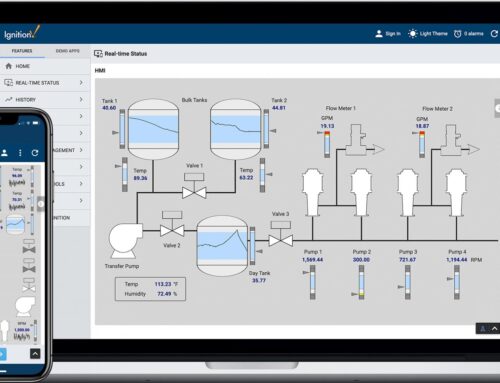
Introduction to Digitizing Production Logs in Plastic Processing Plants Using SCADA
In the era of Industry 4.0, where digital transformation drives efficiency, sustainability, and profitability, plastic processing plants stand to gain substantially from the digitization of production logs. Supervisory Control and Data Acquisition (SCADA) systems are at the forefront of this revolution,playing a pivotal role in transforming customary paper-based production logs into dynamic,real-time data streams. This transition not only enhances operational visibility but also facilitates more informed decision-making.
Key Advantages of Digital Production Logs:
- Enhanced Data Accuracy: Eliminating manual entry errors associated with paper logs,digital systems ensure that data is precise and reliable.
- Real-Time Monitoring: SCADA systems provide instantaneous data availability,enabling plant managers to react swiftly to operational anomalies.
- Improved Traceability: Digital logs allow for easy tracking of batch data and process parameters, critical for quality control and regulatory compliance.
- Data Integration: Seamless integration with other systems such as ERP and MES, enabling holistic plant management.
Case Study Examples:
- Example 1: A mid-sized plastic extrusion firm saw a 15% decrease in energy costs by utilizing real-time energy monitoring through SCADA, facilitated by continuous logging of production metrics.
- Example 2: An injection molding plant improved its scrap reduction efforts by integrating SCADA-based digital logs, which identified inefficiencies and deviations in production runs.
This article delves deeper into the methodologies and technologies involved in digitizing production logs, exploring how SCADA systems can be optimally deployed in plastic processing environments to foster greater operational excellence and sustainability. Join us as we explore the technical architecture, implementation strategies, and future trends shaping the digital landscape of plastic processing plants.
Digitally Transforming Data Collection Frameworks in Plastic Processing Plants for enhanced Operational Efficiency
In the dynamic environment of plastic processing plants, digitally transforming data collection frameworks can streamline operations and significantly enhance operational efficiency. By leveraging Supervisory Control and Data Acquisition (SCADA) systems,thes plants can automate the collection,analysis,and reporting of critical production data. Traditional paper-based logs are susceptible to human error and time-consuming manual entries, which can lead to inefficiencies and inaccuracies. Implementing SCADA-enabled digital logs mitigates these issues by providing real-time data acquisition and analysis.As an example, when a plant in Ohio transitioned to SCADA for logging machine data, they experienced a 20% increase in operational uptime due to the system’s ability to quickly identify process bottlenecks and machine downtimes. This real-time data visibility allows plant operators to make informed decisions swiftly,ensuring that the production line remains active and productive.
Moreover, a SCADA system enhances operational efficiency by offering intuitive interfaces that integrate seamlessly with existing equipment and enterprise systems. This integration ensures that data is not only collected but is also readily accessible for continuous process advancement. For example, a plant can automate alerts for maintenance needs or track energy consumption patterns by accessing the SCADA dashboards. This level of integration enables further benefits such as:
- Predictive Maintenance: Automatically flagging equipment based on historical data trends to prevent costly breakdowns.
- Energy Efficiency: Monitoring energy use in real time to optimize machine operation and reduce energy waste.
- Quality Assurance: Controlling process variables such as temperature and pressure to maintain product quality.
These capabilities transform traditionally reactive processes into proactive strategies, fundamentally improving the plant’s productivity and sustainability.
Integrating Advanced SCADA Solutions for Real-Time Production Data Monitoring and Analysis
Plastic processing plants are witnessing a paradigm shift as Advanced SCADA (Supervisory Control and Data Acquisition) solutions integrate into their operations. traditionally, production logs were maintained manually, leaving ample room for human error and inefficiency. By digitizing these logs using SCADA, plants can achieve real-time transparency and operational efficiency. For example,imagine a scenario where an extrusion line is monitored to track output consistency. SCADA systems continuously capture data points such as temperature, pressure, and speed, allowing operators to identify and rectify deviations before they result in costly defects. The real-time data visualization provided by SCADA dashboards enables plant managers to make informed decisions swiftly,ensuring that production stays on target.
Integration of SCADA in plastic processing operations not only enhances data accuracy but also facilitates thorough analysis through its seamless connectivity with enterprise applications and predictive analytics tools.As an example,a plant employing injection molding can leverage SCADA’s capabilities to monitor and analyze energy consumption patterns across different machines. These insights lead to actionable strategies, like scheduling high-energy processes during off-peak hours to reduce costs. Moreover, SCADA systems support modular integration, allowing for adaptability and scalability as plants expand or modify their production lines. Key features include:
- Real-time Alerts: Immediate notifications for anomalies like equipment overheating or unforeseen stoppages.
- Data Logging: Automatic recording of critical process variables for insights into operational efficiency and quality control.
- Remote Access: Secure, web-based interfaces enable monitoring and control from anywhere, any time.
- Improved Maintenance: Predictive maintenance functionalities to minimize downtime through automated alerts and detailed equipment performance reports.
ul {
list-style-type: disc;
margin-left: 20px;
}
p {
font-size: 16px;
line-height: 1.5;
}
strong {
font-weight: bold;
}
Best Practices for Implementing SCADA-Based Digital Production Logs in Polymer Manufacturing
In the realm of polymer manufacturing, the implementation of SCADA-based digital production logs is a game-changer, necessitating some best practices to ensure accuracy, efficiency, and scalability. Prioritize data accuracy and integration by establishing real-time data capture mechanisms. These mechanisms enable precise monitoring of variables such as temperature, pressure, and material throughput. Utilize standardized data formats to ensure seamless integration across different systems; OPC-UA is a prevalent choice. Implementing a robust error-checking protocol is equally crucial.This ensures that data anomalies are swiftly detected and rectified, preventing erroneous logging that could escalate into production inefficiencies. Consider deploying a multi-tier data storage architecture to handle both immediate monitoring needs and long-term analytics capabilities.
To elevate productivity and sustainability, leverage predictive analytics in conjunction with SCADA systems. By analyzing historical production logs, a polymer plant can predict equipment wear and help in planning maintenance schedules, reducing downtime and enhancing operational efficiency. For instance, a real-world case highlights how a leading plastic extrusion company utilized SCADA data to predict extruder maintenance six weeks in advance, significantly lowering operational disruptions.Additionally, ensure user training and involvement from the outset. Production staff should be integrated into the SCADA implementation process to cultivate a culture of trust and innovation.Regular workshops and feedback loops can be instrumental in adapting the system to meet evolving on-the-ground needs while emphasizing user-friendliness and operational transparency.
Leveraging data Analytics from SCADA Systems to Optimize Plastic Processing Operations and Reduce Waste
In the pursuit of optimizing plastic processing operations, the integration of data analytics through SCADA systems has become a cornerstone strategy. By tapping into the wealth of real-time data these systems offer, engineers and operators can gain deep insights into operational performance and inefficiencies. For instance, using data analytics, you can monitor machine performance metrics such as cycle times and energy consumption to identify patterns linked to production slowdowns or equipment fatigue. Furthermore, these systems facilitate predictive maintenance by analyzing historical data to forecast potential equipment failures, thus significantly reducing unexpected downtimes. A practical case study can be seen in a polyethylene extrusion plant that employed SCADA to monitor its extrusion lines, leading to a 15% reduction in waste and a 12% enhancement in throughput by adjusting cooling profiles and screw speeds based on real-time data feedback.
Moreover, SCADA systems allow for comprehensive waste reduction strategies by providing granular data analytics that empower process improvement. Plant managers can leverage this data to pinpoint causes of material overuse or defect production, which frequently enough masquerade as minor inefficiencies. Key waste reduction techniques harnessed from SCADA data include:
- Real-time Quality Monitoring: Instantly detecting batch inconsistencies and adjusting parameters on-the-fly to reduce rejects.
- Material Tracking and Usage: Analyzing throughput and consumption patterns to optimize raw material inventories and minimize scrap.
- Energy Usage Analysis: Identifying energy-saving opportunities by correlating equipment run times with utility data to devise more enduring operations.
By digitizing production logs via SCADA, plants can transform raw data into actionable insights, crafting a cleaner, more efficient processing operation that not only curtails waste but also conserves energy and raw materials.
The conclusion
digitizing production logs in plastic processing plants through advanced SCADA systems represents a critically important leap toward operational excellence and sustainability. Key takeaways from this transformation include:
– Enhanced data accuracy and real-time monitoring capabilities, minimizing human errors and improving decision-making processes.
– Streamlined data management and retrieval, enabling quick analysis and strategic planning.
– Increased operational efficiency through automated alert systems, reducing downtime and optimizing production cycles.
– Better compliance with industry regulations, achieved through precise and easily accessible digital records.
By adopting these digital solutions, plastic processing plants can substantially reduce waste, improve quality control, and align with clean technology initiatives. Innorobix is at the forefront of this technological evolution, offering comprehensive SCADA solutions tailored to the unique needs of your facility. We invite you to explore the innovative possibilities Innorobix offers and encourage you to request a consultation or demo. Let us help you drive your operations toward a more sustainable and efficient future.