In an increasingly automated world, the quest for seamless integration has never been more vital. Businesses across various industries rely on a diverse array of vendor machines to meet their operational needs, from kiosks and vending machines to self-service terminals. However, the challenge often lies in managing this patchwork of technology effectively. What if there were a way to unify these disparate systems into a single, coherent framework? Enter the concept of connecting mixed vendor machines to a central dashboard—a transformative solution that promises to streamline operations, enhance data visibility, and improve decision-making processes. In this article, we will explore the benefits, methodologies, and innovative technologies behind this integration strategy, shedding light on how organizations can harness the power of a centralized management system to drive efficiency and foster growth in an ever-evolving landscape.
Exploring the Benefits of a Central Dashboard for Mixed Vendor Machines
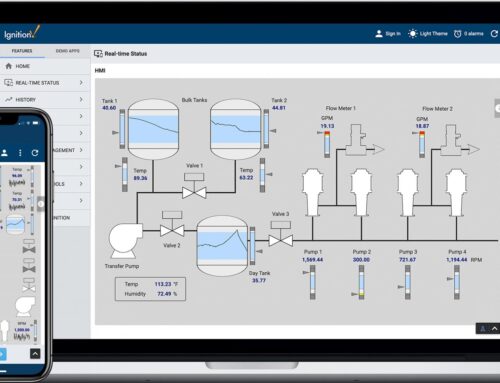
The integration of a central dashboard for managing mixed vendor machines offers a multitude of advantages that can significantly streamline operations. By consolidating data from various sources into one platform, businesses can gain real-time insights into performance metrics, inventory levels, and maintenance needs. This level of visibility not only enhances decision-making but also aids in identifying trends and patterns that might be overlooked when systems operate in silos. Key benefits include:
- Increased Efficiency: Centralized data reduces the time spent on manual reporting, allowing teams to focus on strategic initiatives.
- Cost Savings: Monitoring multiple machines from one dashboard facilitates better resource allocation and minimizes downtime.
- Enhanced Communication: A unified interface fosters collaboration among departments,ensuring everyone is informed of machine statuses and needs.
Moreover, a centralized approach enables more effective predictive maintenance, as analytics can forecast when a machine may require servicing based on its usage patterns. This proactive stance can prevent unexpected breakdowns, ultimately saving costs and improving machine longevity. The table below highlights how these metrics vary between standalone systems and those equipped with a central dashboard:
| Metric | Standalone Systems | Central Dashboard |
|---|---|---|
| Data Reporting Time | Hours | Minutes |
| Downtime | High | reduced |
| Maintenance Costs | Variable | Lower |
Strategies for Seamless Integration of Diverse Machine Systems
To achieve a seamless integration of diverse machine systems, it is essential to begin with a robust connectivity framework. Employing open standards such as OPC UA (open Platform Communications Unified Architecture) can bridge the gap between machines from various vendors, allowing them to communicate effectively. This compatibility ensures that disparate systems, whether they are legacy machines or modern IoT devices, can share data without the need for extensive modifications. Furthermore, using middleware solutions can streamline the data transfer processes, enabling the central dashboard to gather and display critical insights from all connected machines together.
another key strategy lies in the implementation of a unified data model that standardizes the data format across all systems. This abstraction layer not only reduces complexity but also enhances data integrity by providing a single source of truth. To support this, organizations should invest in comprehensive data analytics tools equipped with machine learning capabilities, enabling predictive maintenance and performance optimization. A clear visualization of this architecture can be encapsulated in a table format:
| Component | Function | Benefits |
|---|---|---|
| Connectivity Framework | Facilitates communication between machines | Interoperability among various vendors |
| Middleware Solutions | Streamlines data transfer | Aggregates insights for central dashboards |
| Unified Data Model | Standardizes data across systems | Enhances data integrity and clarity |
| Data Analytics Tools | Enables predictive maintenance | Drives performance optimization |

Optimizing Data Management and Real-Time Monitoring Capabilities
In an era where businesses rely heavily on diverse machinery from diffrent vendors,the ability to manage data efficiently becomes paramount. A central dashboard seamlessly integrates various machine inputs, offering a holistic view of operations. By employing advanced data aggregation methods, users can collect and analyze facts from disparate sources, leading to informed decision-making. Utilizing robust data management strategies not only improves operational efficiency but also enhances the scalability of systems as new machines are added or existing ones upgraded.
Real-time monitoring further elevates this integration by enabling immediate feedback and responsiveness. Continuous data flow from equipment allows for the detection of anomalies and performance dips. By implementing machine learning algorithms, organizations can predict maintenance needs and mitigate potential downtimes, ultimately saving both time and resources. The advantages of real-time insights extend to:
- Enhanced productivity: Quickly address issues before they escalate.
- Improved resource allocation: Optimize workforce and tools based on live data.
- Data-driven decisions: Rely on accurate, up-to-date information for strategic planning.

Future Trends in Centralized Machine Connectivity and Dashboards
As industries continue to evolve, the future of centralized machine connectivity is set to bring about significant advancements.The integration of IoT technologies will facilitate seamless communication across mixed vendor machines, allowing users to gain a unified overview of their operations.This interconnected ecosystem will enable manufacturers and operators to leverage data analytics for predictive maintenance, enhancing uptime while reducing operational costs. moreover, emerging standards for interoperability will create an environment where data-sharing becomes effortless, bridging gaps between different systems and fostering collaboration across the supply chain.
In parallel, the evolution of dashboards will prioritize user experience and personalization. Future dashboards will offer real-time insights through more intuitive interfaces, powered by AI algorithms that can adapt to user behavior. Features like natural language processing will allow users to query data in a conversational manner,while customizable dashboards will present tailored insights according to individual roles within an organization. Moreover, advancements in visual analytics will make complex data more actionable, providing businesses the agility needed to respond swiftly to market demands and operational challenges.
Future Outlook
In a world increasingly defined by connectivity and data-driven decisions, the ability to seamlessly integrate mixed vendor machines into a central dashboard represents a pivotal advancement. As businesses strive for enhanced efficiency and real-time insights, a unified platform not only streamlines operations but also transforms the way we harness machine intelligence. By bridging the gaps between disparate systems, organizations can foster collaboration, optimize resources, and ultimately drive innovation.
As we look to the future, the integration of diverse technologies will no longer be a mere option but a necessity for those aiming to stay competitive. The journey ahead is one of continuous betterment and adaptation, where the strength of interconnected systems empowers teams to make informed choices and seize new opportunities.Embracing this evolution will not only revolutionize workflows but will also shape the landscape of industry in the years to come. As we step into this new era, let us remain committed to building bridges between machines, data, and human insight—a synergy that holds the key to unlocking the full potential of our technological investments.