In the realm of modern industrial processes, efficiency adn precision are paramount, particularly in sectors such as food and beverage, pharmaceuticals, and chemical manufacturing. One critical component of maintaining hygiene standards and product integrity is the Clean-in-Place (CIP) system—a method designed to clean production equipment without disassembly. As industries strive for higher productivity while reducing downtime and operational costs, the integration of automation technology emerges as a game changer. This article delves into the role of Programmable Logic Controllers (PLCs) in automating CIP sequences, exploring how these versatile tools can enhance system reliability, ensure compliance with stringent health regulations, and optimize resource utilization. By harnessing the power of PLCs, facilities can achieve a new standard in cleanliness and efficiency, paving the way for smarter, safer, and more sustainable production processes.
Understanding the Role of PLCs in CIP Automation
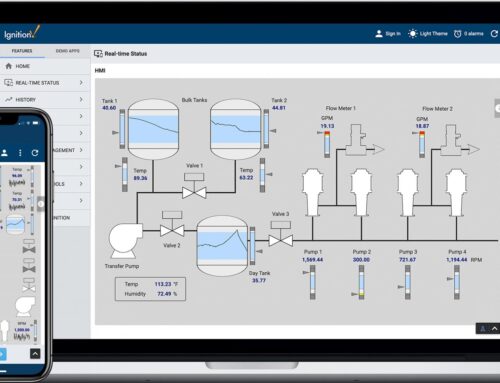
Programmable Logic Controllers (PLCs) serve as the backbone for effective Clean-in-Place (CIP) automation,offering unparalleled control and versatility in various industrial cleaning processes. With thier capability to manage complex sequences and real-time responses, PLCs ensure that each step of the CIP cycle is executed with precision. This includes stages such as pre-rinse, chemical wash, rinse, and sanitization.By utilizing PLCs, manufacturers can program specific parameters, allowing for customization based on the equipment involved and the nature of the product being processed. Additionally, the integration of easy-to-use interfaces allows operators to monitor and adjust parameters on the fly, promoting ease of use and efficiency in cleaning operations.
The advantages of using PLCs in CIP automation extend beyond mere control; they significantly enhance data collection and system diagnostics. PLCs can collect valuable data throughout the CIP process, which can be analyzed for performance improvements and compliance with safety standards. Features to consider include:
- Error detection: Immediate alerts for any deviations in the cleaning process.
- Traceability: Detailed records of cleaning cycles for regulatory compliance.
- Optimization: Continuous monitoring to adjust cleaning parameters for improved efficiency.
This capacity for real-time feedback not only streamlines procedures but also leads to reduced downtime and increased productivity, making plcs an essential component for modern CIP systems.

Key Benefits of Automating Cleaning Processes in Industrial Settings
Integrating automation in cleaning processes not only enhances efficiency but also elevates the overall operational standards in industrial environments. With the application of PLCs to manage Clean-in-Place (CIP) sequences, facilities benefit from consistent cleaning outcomes, minimizing the risk of contamination.This level of precision not only ensures compliance with health and safety regulations but also improves the quality of the final product.Additionally, automated systems can operate during off-peak hours, allowing for minimal disruption to production schedules while maintaining cleanliness across equipment and pipelines.
moreover, automation reduces the necessity for manual labor, which can lead to significant cost savings over time. by decreasing the likelihood of human error, automated cleaning processes contribute to an overall safer workplace and increased accountability in maintaining equipment hygiene. Facilities can also leverage data analytics through automated systems to monitor and optimize cleaning cycles, tailoring them to specific needs and conditions. This data-driven approach facilitates better resource management, ensuring the right amount of cleaning agents and water is used, thus promoting sustainability in manufacturing practices.
Designing Effective CIP Sequences for Maximum Efficiency
When designing Clean-in-Place (CIP) sequences, it’s essential to incorporate a systematic approach that maximizes efficiency and minimizes downtime. Key elements to consider include the selection of cleaning agents,the timing of each phase,and the proper sequencing of operations. A thoughtfully structured CIP system can significantly reduce resource waste and ensure consistent product quality. For optimal performance, focus on the following:
- Chemical Selection: Choose cleaning agents that effectively remove residues and are compatible with your equipment.
- Temperature Control: Implement precise temperature settings to enhance cleaning efficacy without damaging equipment.
- Flow Rate Optimization: Adjust flow rates to ensure thorough cleaning while avoiding excess wear on pumps and valves.
Integrating programmable logic controllers (PLCs) into the CIP process allows for real-time monitoring and adjustments, which can definitely help further refine the sequence based on operational data. Establishing feedback loops within your PLC programming can aid in identifying inefficiencies, enabling continuous improvements. The table below outlines examples of performance metrics that can be monitored:
| Metric | Description | Target Value |
|---|---|---|
| Cycle Time | Total duration of the CIP process. | Minimize to under 30 minutes. |
| Chemical Usage | Amount of cleaning agent consumed per cycle. | Optimize to reduce by 10%. |
| Water Usage | Total water consumed during rinse cycles. | Reduce by 15% through efficiency improvements. |

Best Practices for Implementing PLC-Controlled CIP Systems
implementing PLC-controlled Clean-in-Place (CIP) systems effectively requires careful planning and attention to detail. First, it is indeed vital to conduct a comprehensive risk assessment to identify all potential hazards within the CIP process. This ensures that the controls developed will address specific concerns related to sanitation, safety, and efficiency. Second, leverage the capabilities of modern PLCs to create intuitive user interfaces that allow for easy monitoring and control. Features such as alarm notifications, real-time data visualization, and ancient data logging enhance the overall efficiency of the cleaning processes and provide operators with valuable insights.
Another best practice involves establishing standardized cleaning protocols that can be integrated into the PLC programming. These protocols should be documented clearly and tested rigorously to ensure they meet regulatory compliance while optimizing performance. Incorporating flexible scheduling options allows operators to adjust cleaning cycles based on production schedules or maintenance needs without compromising hygiene standards.to further enhance system reliability, consider using a table for routine maintenance schedules as part of the overall operational strategy:
| Maintenance Task | Frequency | Responsible Personnel |
|---|---|---|
| Calibration of sensors | Monthly | Technician |
| System software updates | Quarterly | IT Team |
| Visual inspection of components | Biweekly | operators |
Closing Remarks
In an era where efficiency and precision are paramount, automating Clean-in-Place (CIP) sequences through Programmable Logic Controllers (PLCs) stands as a vital innovation in various industries. As we have explored, the integration of PLCs not only streamlines cleaning processes but also enhances consistency, reduces manual labor, and minimizes the risk of contamination. By adopting such automation, businesses can achieve higher operational standards while optimizing resources and maintaining compliance with stringent hygiene regulations.
As technology continues to evolve, the future of CIP automation will undoubtedly unlock new possibilities, from the convergence of IoT-enabled systems to advanced data analytics that can predict maintenance needs and optimize cleaning schedules. The journey towards a fully automated and intelligent CIP process is just beginning. For those ready to embrace these advancements, the potential benefits are immense, paving the way for safer, cleaner, and more efficient operations.
In closing, the marriage of automation and CIP through PLCs represents not only a practical solution but also a transformative shift towards smarter manufacturing and processing environments. As industries seek to improve their operational efficiencies, investing in this technology may just be the catalyst needed for a cleaner, greener, and more productive future.