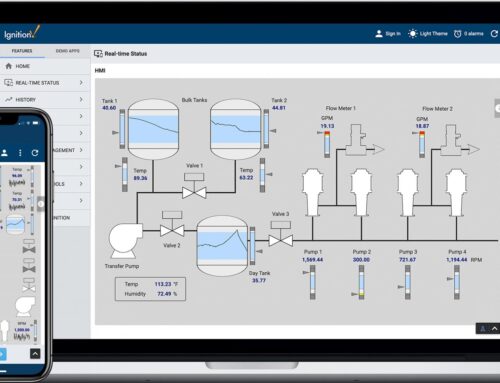
Introduction: Tracking energy Usage in refrigeration Zones via SCADA
As the global emphasis on sustainability and efficiency intensifies, industries are increasingly seeking effective methods to monitor and manage their energy consumption. In the realm of food and beverage manufacturing, where refrigeration plays a critical role in maintaining product quality and safety, understanding energy usage becomes paramount. Supervisory Control and Data Acquisition (SCADA) systems present an innovative solution for tracking and optimizing energy consumption in refrigeration zones.
This article delves into the principles and practices of utilizing SCADA to monitor energy usage in refrigeration zones, with a focus on minimizing inefficiencies while maximizing sustainability. By implementing robust SCADA solutions, organizations can achieve the following:
- Real-Time Monitoring: Continuous tracking of energy consumption patterns across various refrigeration zones to identify peaks and troughs in usage.
- Data Analytics: Leveraging historical and real-time data to identify trends, anomalies, and opportunities for energy savings.
- Automated Alerts: Setting thresholds and receiving alerts when energy usage exceeds predefined limits, allowing for proactive maintenance and operational adjustments.
- Energy Efficiency Optimization: Implementing control strategies such as variable frequency drives (VFDs) or optimizing refrigeration cycles to reduce unnecessary energy expenditure.
- Comprehensive Reporting: Generating detailed reports and visualizations to facilitate better decision-making and to meet compliance requirements.
By integrating SCADA systems for energy consumption tracking, food and beverage manufacturers not onyl enhance operational efficiency but also contribute to a more sustainable future by reducing their carbon footprint. In this article, we will explore the various components of SCADA systems tailored for energy management, review practical case studies, and provide best practices for implementation that secure enhanced safety, traceability, and improved energy efficiency throughout the refrigeration network.
Tracking Energy Consumption Patterns in Refrigeration Zones
Effective monitoring of energy consumption in refrigeration zones is critical for optimizing operational efficiency and minimizing costs. By implementing SCADA (Supervisory Control and Data Acquisition) systems, facilities can gain real-time insights into energy usage, allowing for proactive management of their refrigeration units. Such as,a beverage manufacturer might utilize SCADA to track energy patterns across multiple refrigeration zones. Through advanced data analytics, the SCADA system can identify anomalies such as spikes in energy usage during off-peak hours, thus enabling maintenance teams to investigate potential issues like compressor wear or inefficient systems that could lead to costly downtime.
By employing a robust data collection strategy, users can better understand the factors driving energy consumption. Essential methods to enhance energy tracking include:
- Real-time data monitoring: continuous tracking of temperature, pressure, and energy draw across all refrigeration units.
- Automated alerts: Setting parameters that trigger notifications when energy usage exceeds predefined thresholds, indicating inefficiencies.
- Historical data analysis: Analyzing energy trends over time to identify patterns and seasonal variations that affect consumption.
- Integration with predictive maintenance: Using collected data to forecast maintenance needs based on changing energy consumption trends, thus preventing equipment failure.
When a cold storage facility for perishables utilized such SCADA solutions,it reported a 15% reduction in energy costs within six months by identifying inefficiencies in their refrigeration zones.This proactive approach not only improves sustainability by reducing unnecessary energy expenditure but also enhances overall operational reliability.
Optimizing Refrigeration Efficiency through Real-Time SCADA Monitoring
Implementing real-time SCADA monitoring in refrigeration zones significantly enhances energy efficiency and reduces waste. By leveraging advanced data analytics, facilities can pinpoint inefficiencies and identify potential issues before they escalate into costly problems. As an example, a food processing plant using SCADA systems was able to track energy consumption for each refrigeration unit in their facility. This granularity allowed them to discover that one particular unit was operating at a 30% lower efficiency rate than its peers, primarily due to a faulty compressor. Corrective actions such as timely maintenance not only improved the performance of the unit but also reduced overall energy costs by a remarkable 15%.
Moreover, SCADA systems facilitate predictive maintenance, which is critical in preventing unexpected refrigeration system failures. By closely monitoring key performance indicators (KPIs) such as temperature fluctuations, compressor runtime, and energy consumption patterns, operators can schedule maintenance during non-peak hours, minimizing disruptions to production.Facilities employing these techniques report a significant enhancement in their operational reliability—up to 25% less downtime. Additional benefits include enhanced compliance with safety regulations, as real-time alerts for temperature anomalies help ensure product quality while adhering to industry standards.
Implementing Data Analytics for Predictive Maintenance and Energy Savings
Incorporating data analytics into SCADA systems for tracking energy usage in refrigeration zones can significantly enhance predictive maintenance and fuel energy savings. As an example,advanced algorithms can analyze real-time data collected from refrigeration units,such as temperature,pressure,and energy consumption metrics,to identify patterns and anomalies. By leveraging this data, operators can predict potential failures before they occur, enabling proactive maintenance interventions. Such as, a supermarket chain utilizing a SCADA system equipped with data analytics may observe that one of its refrigeration units consistently draws more energy during specific hours.With predictive maintenance analytics, technicians can pinpoint inefficient compressor operation or refrigerant leaks early on, thus avoiding costly downtime and preserving product quality.
Moreover, energy-saving opportunities abound when SCADA data is utilized for adjustments in refrigeration operation. by analyzing historical energy usage data alongside ambient temperature fluctuations, operators can optimize set points, reducing unnecessary energy consumption. some installations have adopted demand-responsive cooling systems, which adjust cooling based on real-time occupancy and load demand. As an example, a large food processing facility observed a 15% reduction in energy costs after implementing such data-driven adjustments. Additionally, integrating these predictive analytics with existing maintenance schedules ensures compliance with energy efficiency standards, further enhancing sustainability practices. By fostering a culture of continuous improvement based on data insights, organizations not only boost their operational efficiency but also demonstrate their commitment to environmental stewardship.
Best Practices for Integrating SCADA with Energy Management Systems
Integrating SCADA (Supervisory Control and Data Acquisition) systems with Energy Management Systems (EMS) can significantly enhance the ability to monitor and control energy usage, particularly in refrigeration zones such as those found in food processing and cold storage facilities.To achieve optimal integration, consider the following best practices:
- Harmonization of Data Models: ensure that the data from both SCADA and EMS interfaces is synchronized and standardized. As an example, a cold storage facility could utilize SCADA to aggregate temperature and humidity data, correlating it with EMS inputs to optimize energy consumption based on real-time conditions. This harmonization allows for seamless energy usage analysis and forecasts.
- Real-Time Monitoring and Alerts: Implement real-time monitoring capabilities where data from refrigeration units feeding into the SCADA system is relayed to the EMS.For example, if a refrigeration unit experiences a failure due to energy inefficiencies, immediate alerts can be generated to onsite technicians, preventing spoilage of perishable goods and reducing potential financial losses.
Moreover, integrating predictive analytics can further enhance energy efficiency. By leveraging historical data collected through SCADA about energy consumption patterns in various refrigeration zones, an EMS can predict peak usage periods and optimize energy loads accordingly. For instance, a supermarket chain could analyze past energy usage during weekly promotions, adjusting refrigerated display units to run at optimal settings during those times while minimizing energy use during off-peak periods. This predictive approach not only reduces energy costs but also enhances overall operational efficacy, leading to better compliance with sustainability goals.
To Conclude
tracking energy usage in refrigeration zones via SCADA not only enhances operational efficiency but also paves the way for sustainable practices in food and beverage production. Key takeaways from this discussion include:
- Real-time Monitoring: SCADA systems provide immediate feedback on energy consumption, facilitating proactive adjustments to minimize waste.
- Data-Driven Decisions: By analyzing historical data, businesses can make informed decisions that lead to cost reductions and improved system reliability.
- Compliance and Reporting: Enhanced traceability and compliance with industry standards can be achieved through precise monitoring and detailed reporting.
- Predictive Maintenance: Utilizing energy tracking enables early detection of equipment issues, resulting in lower maintenance costs and reduced downtime.
As the industry moves towards greater automation and efficiency, leveraging the power of SCADA systems becomes increasingly crucial. If you’re interested in exploring tailored solutions that align with your operational goals, we invite you to connect with Innorobix for a consultation or request a demo of our advanced systems. Together, we can drive your energy management strategy towards a more sustainable future.